
Homes Close to Work: Ellavoz Impact Capital Invests in Jackson Hole, Wyoming
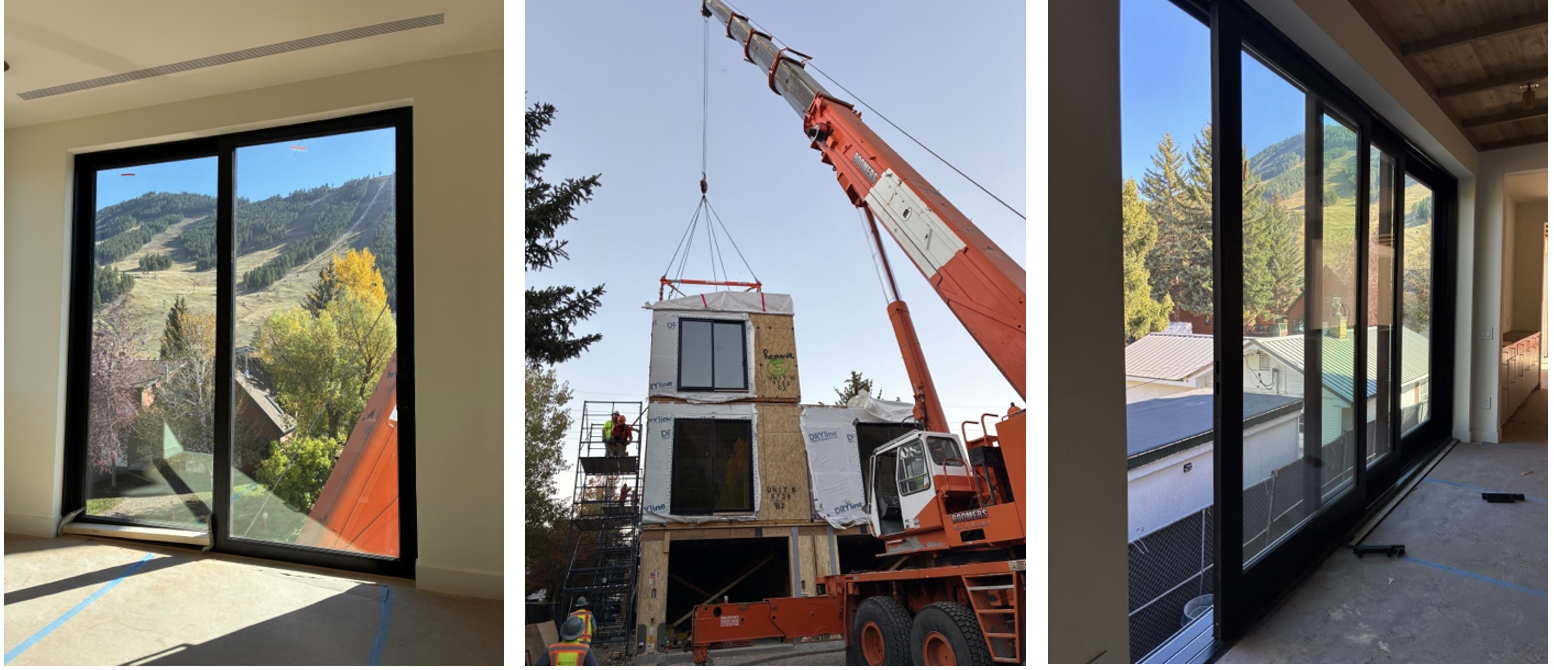
Construction at West Karns Townhomes is well underway
Oct 16, 2026
Jackson Hole is one of the most beautiful places in America—and one of the hardest places for the people who keep it running to afford a home. Teachers, nurses, firefighters, restaurant staff, and the tradespeople who build and maintain the valley increasingly find themselves priced out by second-home buyers and remote workers and forced into long commutes over mountain passes or out of the community altogether.
Ellavoz Impact Capital (EIC) is proud to be part of the solution. EIC has invested $200,000 in the construction of four new residences at West Karns Townhomes in Jackson. A portion of the homes are being built under the Jackson/Teton County Workforce Housing Program, which reserves them—permanently, through deed restrictions—for households that live and work in Teton County.
Why Workforce Housing, and Why Jackson Hole
Resort communities face a housing challenge unlike almost anywhere else. Demand from buyers with income earned elsewhere pushes prices far beyond what local wages can support, and the result is a community whose workforce can't afford to live in it. When essential workers leave, schools struggle to staff classrooms, clinics lose providers, and small businesses can't keep their doors open.
Jackson and Teton County have responded with one of the most deliberate local housing strategies in the country. The community's Workforce Housing Action Plan has set a goal of ensuring that at least 65% of the workforce lives locally. Teton County has added more than 400 units of workforce housing since 2014, with hundreds more in the pipeline. West Karns Townhomes is part of this effort.
How the Workforce Housing Program Works
The Workforce Housing Program is administered by the Jackson/Teton County House Department and provides deed-restricted rental and ownership options so local workers can live in the community. To qualify, households must meet a few core requirements:
Local employment. At least one adult in the household must work full-time—at least 1,560 hours per year, or an average of 30 hours per week—at a physical business located in Teton County.
Local income. At least 75% of the household's combined income must come from Teton County employment.
No income or asset caps. Unlike government-subsidized affordable housing, workforce housing rentals and most program homes have no maximum income or asset limits. That makes the program a fit for the "missing middle"—households that earn too much to qualify for traditional affordable housing but nowhere near enough to buy at Jackson's market prices.
Real estate restrictions. Households generally cannot own residential real estate or land larger than one acre, within 75 to 150 miles of Jackson, depending on the property type.
Year-round occupancy. Residents are typically required to live in the home at least ten months of the year—ensuring these are homes for true neighborhoods, not vacation properties.
Together, these rules keep each home tied to its purpose: housing the people who make Jackson work.
The Investment Thesis: Impact That Lasts
EIC invests in workforce and affordable housing because we believe stable, attainable housing is the foundation of a healthy community—and a durable asset class. Deed-restricted workforce homes in a supply-constrained market like Jackson serve a deep, persistent pool of qualified local households. The restrictions that protect the community's workforce also anchor long-term demand.
Just as important, the impact doesn't expire. Because the restrictions run with the property, these townhomes will continue serving Teton County's working households well beyond the life of any single investment.